FPSO Platform Noise & Vibration Analyses

Context

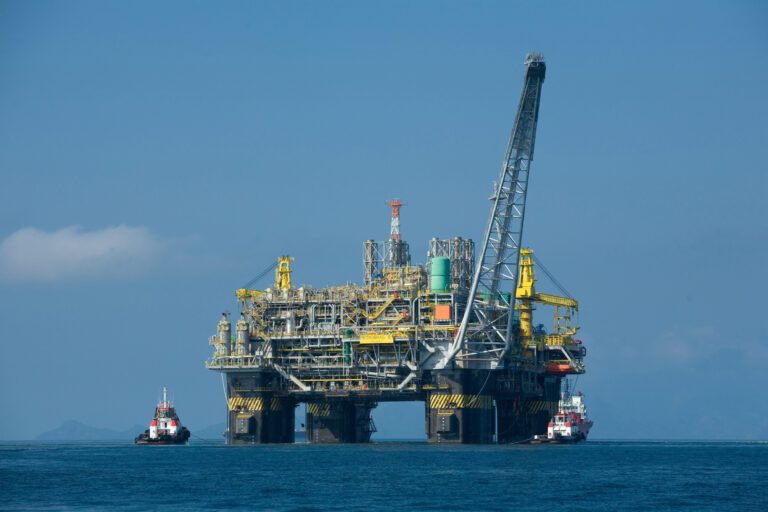
Offshore assets are affected by various sources of noise and vibration, including engines, pumps, HVAC equipment, and the motion of the sea. These acoustic and physical challenges present three main issues for owners and operators. First, noise and vibrations can compromise the health, safety, and comfort of crew. Second, vibrations can reduce the efficiency of onboard equipment. Third, underwater noise can significantly disturb marine life.

Vibratec Asia Pacific has over 30 years of experience in conducting these studies for EPCC projects in Malaysia, the SEA region, Europe, and the Middle East, with our headquarters and local engineers providing expert support throughout.

Client Benefits

01

Support the development of long-term solutions that can improve the project sustainability and reliability

02

Addressing noise and vibration concerns during the EPCC stage ensures a smoother commissioning process with fewer start-up issues

03

Provides valuable vibration data for diagnosing underlying problems, leading to effective and precise solutions

Challenges

01

Benefit from our experience from more than 200 projects

02

From low-cost approach to advanced and detailed engineering studies

03

We are the bridge between Mechanical, Structural and Safety engineers

Key Development Points and Approach

During the design stage, addressing noise and vibration concerns is essential to ensure the success and reliability of the final product or infrastructure. A thorough and systematic approach is required to accurately predict and mitigate potential noise and vibration challenges. By conducting detailed analyses early in the design process, we can identify and address potential sources of disturbance, develop targeted solutions, and ensure the project adheres to stringent standards.

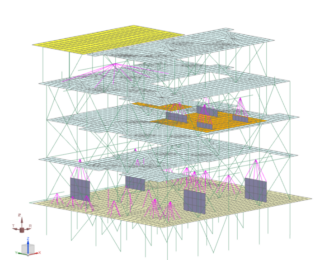
Finite Element Modelling

Create a detailed computer model of the module using software. Adjust the model’s weight to match the actual weight and update the supporting structures to reflect the latest design.

Dynamic Stiffness Computation

Calculate how rigid the critical decks are, especially those supporting vibrating equipment. This ensures the decks are strong enough to handle vibrations. Verify stiffness in three directions (X, Y, Z) around the main equipment’s vibration frequency. If the stiffness doesn’t meet required limits, modify the structure and recalculate until it meets the standards.

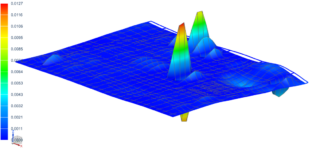
Vibration Map Evaluation

Evaluate how well the decks support vibrating equipment. Integrate the equipment’s vibration model with the overall deck model. Apply vibrations to the model and compute the response to see if it meets the required standards. Confirm that the vibration levels at key points are acceptable. If not, make adjustments and re-evaluate to improve the results.


Tell us more about your projects

    protection par reCAPTCHA